Kyoto's Hidden Tea Masters and Wooden Pavilions
Witnessing the ritual choreography of chanoyu inside an untouched 18th-century cedar tearoom.
 By Mei Lin • Published June 02, 2024
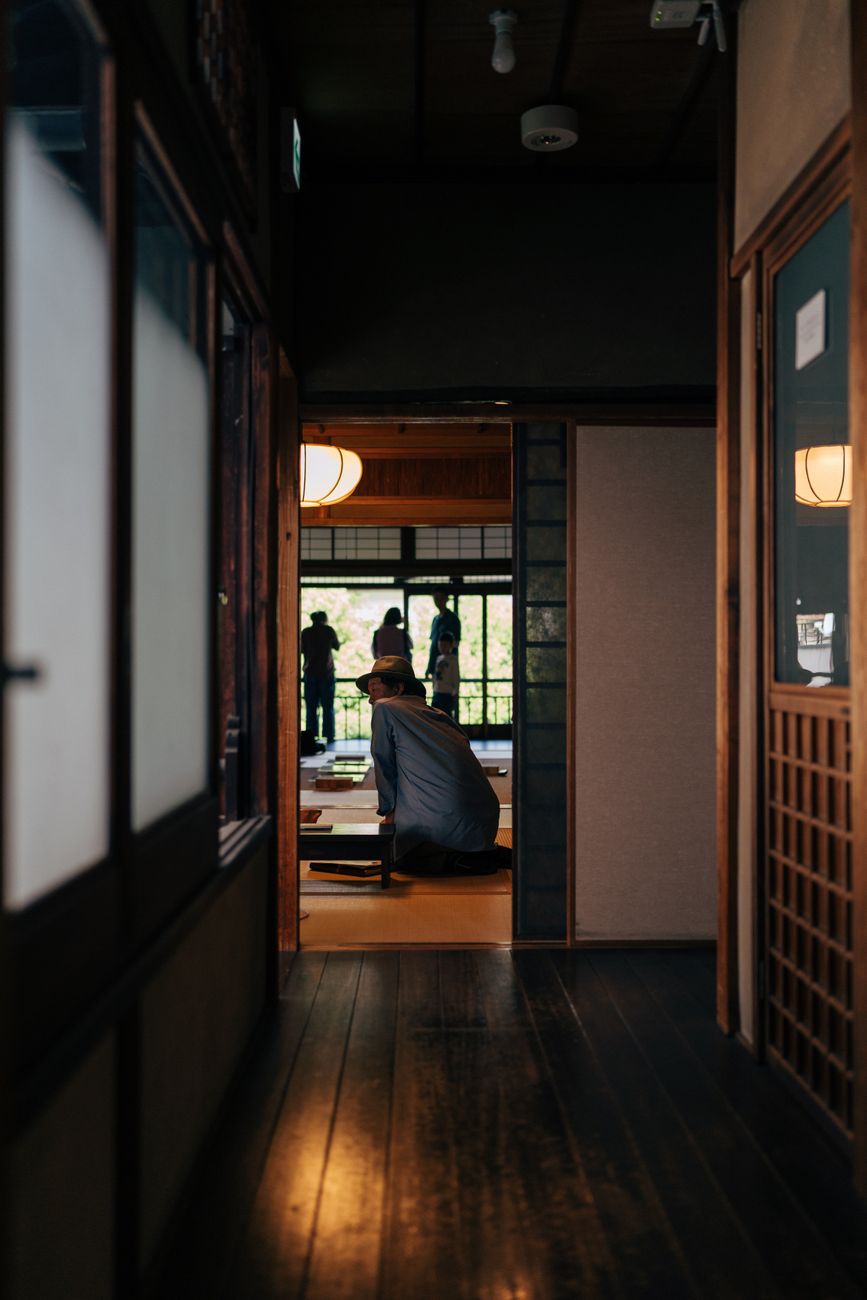
Beyond the crowded thoroughfares of Gion, up a narrow cobblestone lane shaded by weeping willows and bamboo blinds, stands an unmarked sliding door made of unfinished cedar. To enter is to step out of the century entirely.
The Geometry of Stillness
Inside, the room measures four-and-a-half tatami mats—the classic dimension established by tea masters hundreds of years ago. Light filters through washi paper screens with soft diffusion. There are no ornamental chairs or decorative flourishes; the gaze is drawn solely toward a hanging scroll and a single unpretentious seasonal flower resting inside an unglazed ceramic vase.
Master Kenjiro, whose ancestors tended tea plants near Uji, explains that every movement in preparing the whisked green tea is designed to eliminate surplus friction.
"In tea, we do not perform for an audience. We merely listen to the kettle boiling, which sounds like wind rushing through high pine trees."
Architecture as Sensorial Calibration
The acoustics of the pavilion are calibrated with deliberate subtlety. Mud plaster walls, mixed with dried straw and sand, absorb harsh reverberations, leaving only the soft whisper of kimono silk against the tatami and the measured trickle of water from the bamboo ladle.
To spend three hours here is to remember how hurried our everyday perception has become—and how profound life feels when we allow each second to expand.
Experience Traditional Japan Privately
Gain privileged entry to private tea pavilions and artisanal studios with 111111.